
Evolution #1
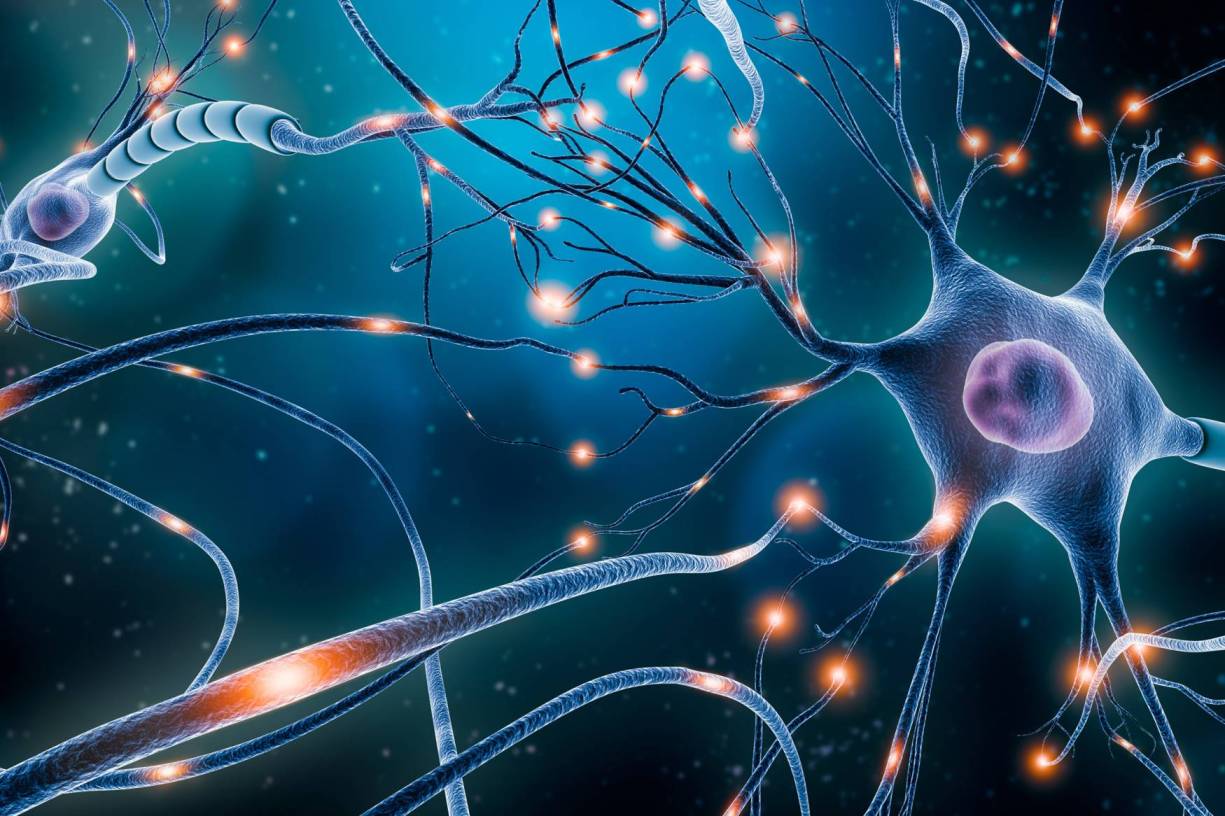
In the winter of 1999 researcher Karim Nader discovered that memories are not permanent files but biological processes that must be rebuilt every time they are accessed. By teaching rats to fear a tone and then injecting a protein-blocking drug during recall Nader successfully erased the fear response. This proved that recalling a memory makes it physically vulnerable and requires new proteins to be stored again a process known as reconsolidation.
Psychologist Alain Brunet applied this concept to humans suffering from PTSD by having patients take propranolol while recalling their trauma. Over six weeks patients showed a 50 percent reduction in symptoms because the drug interfered with the protein rebuilding process. The treatment did not delete the facts of the event but changed its quality by weakening the emotional tone of the memory until the patients started to care less about it.
Every time the brain recalls a memory it disassembles and reconstructs the information using the current state of the individual. The brain then saves this new version in place of the old one. Consequently a person never actually remembers the original event itself but instead remembers the version created the last time the memory was recalled.
Every single memory you have of your past has been rebuilt by the person you are today.
The memory you have of being ten years old is not what your ten-year-old self experienced it is what your current self constructed using your current mind and then believed was the original.
Your entire past is not a record, but a painting you repaint every time you look at it.
You never notice the painting process because you think you are simply looking.
"You cannot step into the same river twice."
Every time you reach back into a memory, both the memory and you have changed. You remain unaware of this shift thinking you are stepping into the same water and simply remembering the past.